
Access free resources developed by the Vehicular Heatstroke Stakeholder Workgroup, National Safety Council and a number of partner agencies. A variety of resources are available including:
- Downloadable outreach materials that can be printed and used for visual education
- Links to videos and recorded webinars
- Fact sheets and safety tips
Click on the “+” sign next to each heading below to view the content.
 Child Safety
Overview: Heatstroke is one of the leading causes of non-crash fatalities among children.
Prevention Tips
- Always Look Before You Lock
- Keep in Mind a Child’s Sensitivity to Heat
- Understand the Potential Consequences of Kids in Hot Cars
Traffic Safety Marketing: Heatstroke Prevention Toolkit
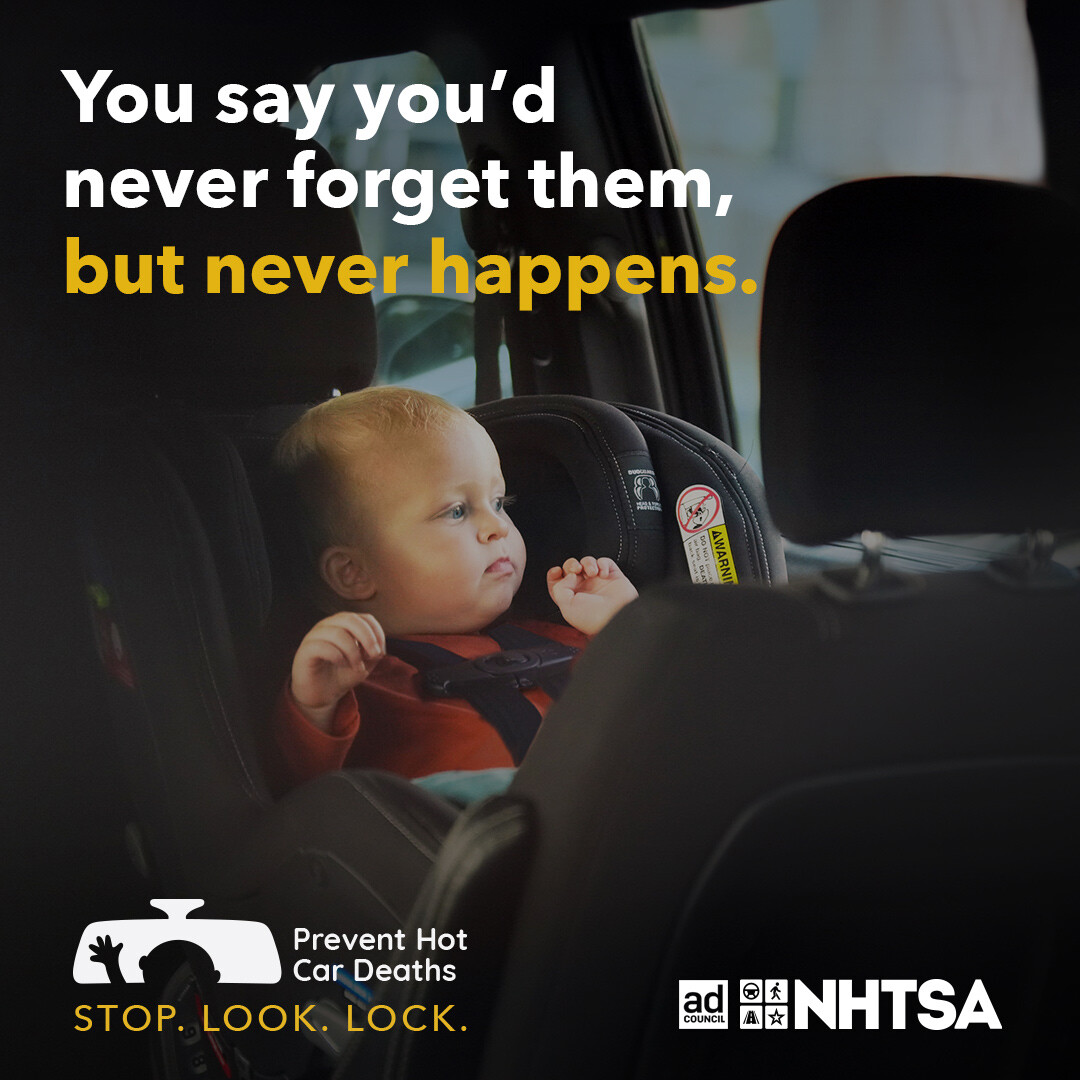
On average, 37 children die each year in the U.S. from being left alone in hot cars – tragic and entirely preventable incidents known as pediatric vehicular heatstroke. A vehicle’s interior can become deadly in minutes, and a child’s body heats up three to five times faster than an adult. These heartbreaking losses often happen during a moment of distraction or routine change.
To help prevent these tragedies, the National Safety Council has developed a series of free, practical toolkits and assets designed to raise awareness and empower action across every sector of the community. Whether you’re working with families, customers, employees or neighbors – you can help save lives. Explore the toolkits and use these resources to make a difference today.
NOTE: Toolkit files are shared via a cloud-based platform. If you have difficulty accessing the files, please contact us at [email protected].
What Else Can You Do?
- Take a free online training course: Children in Hot Cars (available in English and Spanish)
- Go to NSC Injury Facts: Hot Car Deaths
Learn More
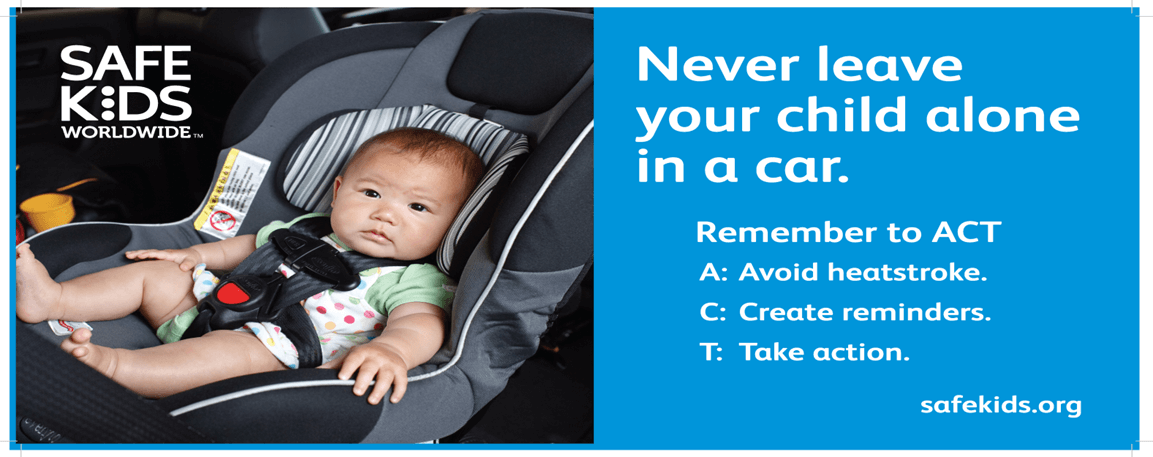 Tips and downloadable resources: safekids.org/heatstroke
Remember to ACT
- Avoid heatstroke.
- Create reminders.
- Take action.
Take Action Toolkit to Prevent Heatstroke
- Videos, Rapid Response Toolkit and Badge of Courage Award
- Tip Sheets, Talking Points, Sample Press Releases
- Infographics, Social Media Guide, Family Advocate Stories
- Resources for Child Care Providers and First Responders
 Keeping Cars Safe for Kids: Working to Prevent Pediatric Heatstroke. This discussion focuses on ways to help prevent pediatric heatstroke through public awareness and technology advancements.
- Watch the Replay: Focus Driven Webinar (June 8, 2021)
Resources and information, including a voluntary commitment by vehicle manufacturers
Prevent Child Deaths in Hot Cars: healthychildren.org
- Facts about Hot Cars & Keeping Kids Safe
- Know the Laws in Your State
- Take Action if You See a Child Alone in a Car
- What to do if the child is not responsive or in pain
- What to do if the child is responsive
- Things You Can Do to Prevent the Unthinkable
Protecting Children from Extreme Heat: Information for Parents
- Prevention tips
- Potential Health Effects of Extreme Heat
- When to Call Your Pediatrician
- Keep Kids Cool and Hydrated
- Tips for Traveling with Children
- Signos y síntomas de advertencia de enfermedades relacionadas con el calor
Los bebés, los niños y el calor
Resource for children: Ready Wrigley Prepares for Extreme Heat
Protecting Children from Heatstroke in Vehicles
Watch: Preventing Pediatric Vehicular Heatstroke (April 2025)
The featured speakers: Alexis Kagiliery, a nationally recognized leader in vehicular heatstroke and occupant protection with the National Safety Council; and Jan Null, an adjunct professor/lecturer of meteorology at the University of San Francisco and San Jose State University.
Heatstroke in Cars
 The Baby Safety Alliance is actively involved in efforts to prevent children from dying in hot cars. BSA believes that the most universal way to avert these tragedies is to equip new passenger vehicles with occupant protection systems and consider the potential for retrofitting existing vehicles with such systems, combined with ongoing consumer education.
- Blog: Baby Safety Alliance – Prevent Hot Car Tragedies with Stop, Look, Lock.
- May 28, 2026 – Interview with WFXR NEWS
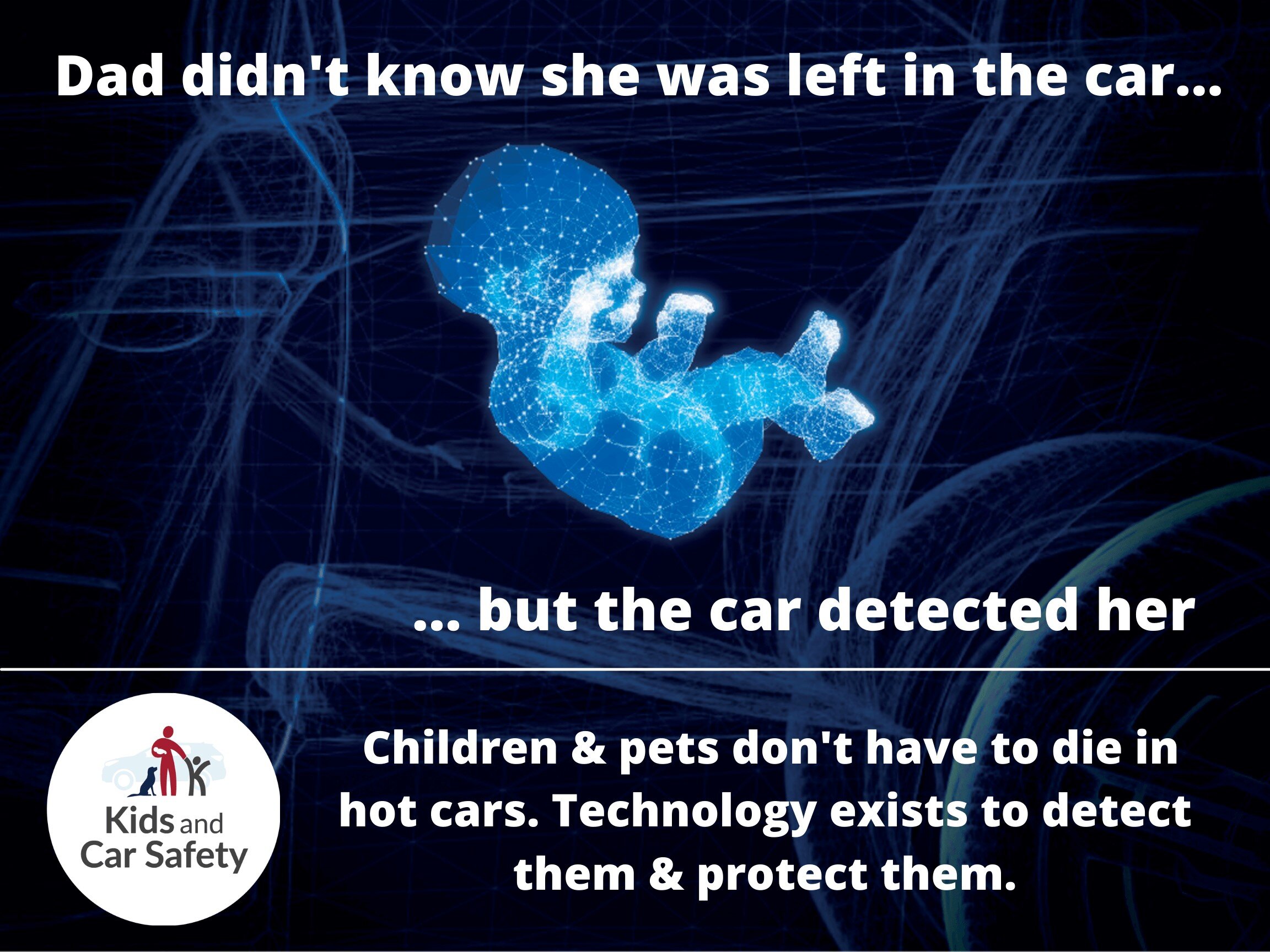 Heatstroke
Download these free resources to raise awareness of risks and prevent more tragedies:
- Data on hot car fatalities and non-fatal cases
- Child stories
- Fact sheets
- Safety tips
- Charts
- Graphics
- Public Service Announcements
- Sample social media posts
- Studies
What to Do If You See a Child Alone in a Vehicle?
Videos to Watch and Share
What’s the Law?
Find out what states have laws making it illegal to leave a child unattended in a vehicle.
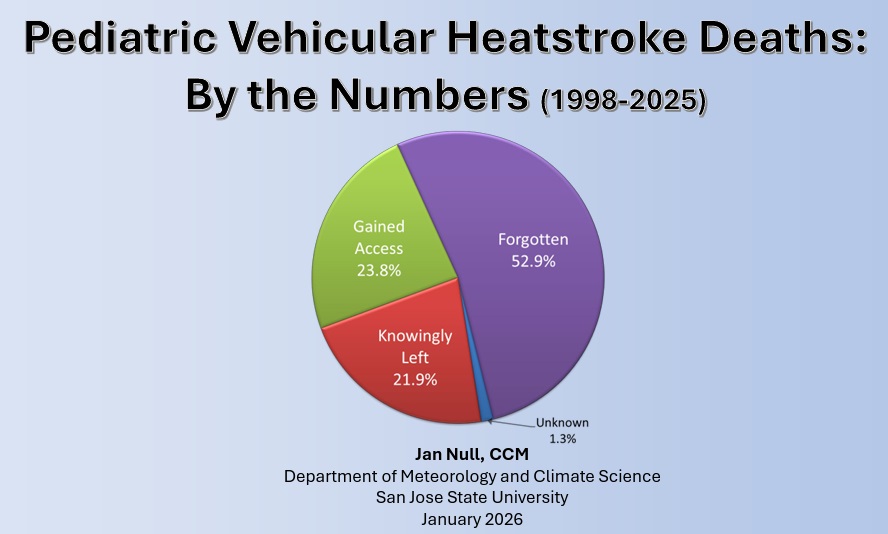 Get up-to-date tracking of pediatric vehicular heatstroke deaths and vehicle heating information from San Jose State University Adjunct Professor of Meteorology Jan Null: noheatstroke.org
Share data and free resources
 Prevent Child Injury is a national group of researchers, health and public health professionals, educators, child care professionals, parents, and other child advocates, working together to prevent injuries to children and adolescents in the U.S.
Prevent Child Injury offers toolkits of communications resources on injury topics and promotes coordinated outreach about prevention of child injury.
Heatstroke: Kids in Hot Cars – All of our resources are located here.